There is something truly unique about living in Helensburgh. Whether it is the stunning views over the Firth of Clyde, the architectural heritage of the Hill House, or simply the familiarity of the local shops along Sinclair Street, this town feels like home in a way few other places do. For many of our older residents, the thought of leaving these surroundings to move into a residential facility is more than just a logistical change; it feels like losing a part of their identity. This is why the demand for high-quality support within the home has grown so significantly over recent years.
Choosing domiciliary care Helensburgh locals can rely on is about more than just ticking boxes on a medical checklist. It is about preserving a way of life. It allows individuals to wake up in their own beds, surrounded by their own memories, and continue their daily routines with just the right amount of help. This approach to ageing or recovery focuses on what a person can still do, rather than just what they struggle with, fostering a sense of dignity that is often harder to maintain in a more clinical setting.
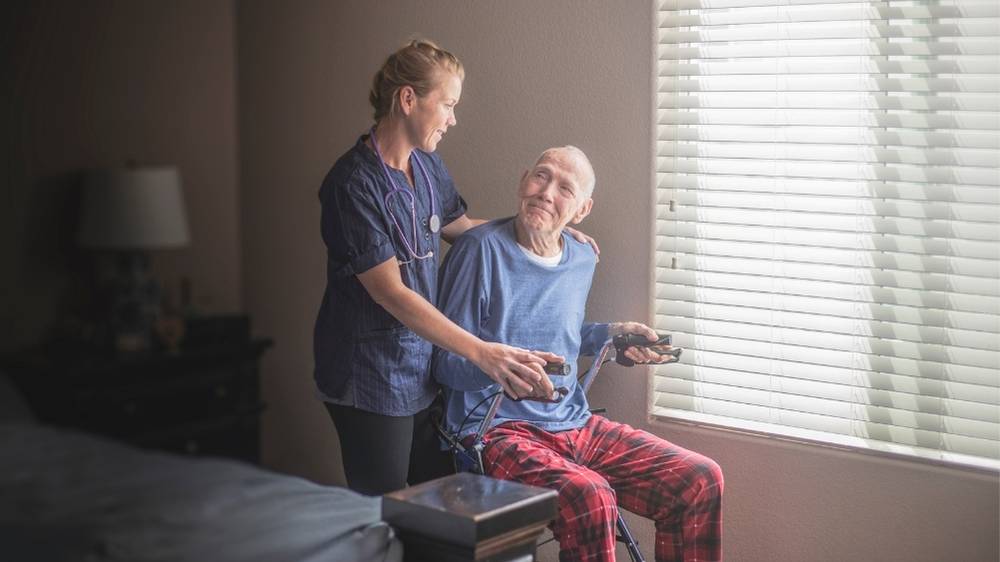
What domiciliary care actually looks like on a daily basis
A common misconception is that home care is only for those who are very unwell. In reality, it covers a vast spectrum of needs. For some, it might mean a friendly face popping in for half an hour to help with a morning routine. For others, it involves more complex support throughout the day and night. The beauty of this service is its inherent flexibility, which adapts as a person’s needs evolve over time.
When people talk about the practical side of these services, they are usually referring to a mix of personal, domestic, and social support. These tasks are designed to take the pressure off both the individual and their family members, ensuring that the home remains a safe and comfortable environment. Typical support often includes:
- Assistance with personal hygiene, dressing, and morning routines.
- Medication management and reminders to ensure health plans are followed accurately.
- Help with meal preparation, ensuring nutritional needs are met with familiar, well-loved food.
- Light housework, such as laundry, dusting, and keeping living areas tidy.
- Accompaniment to local appointments or social groups within the Helensburgh area.
- General companionship to reduce the feelings of isolation that can sometimes come with living alone.
The emotional benefits of remaining in familiar surroundings
The psychological impact of staying at home cannot be overstated. When someone remains in their own house, they retain a level of control over their environment that is lost elsewhere. They decide when they eat, what they watch on television, and when they welcome visitors. In the context of domiciliary care Helensburgh, this sense of autonomy is a key factor in maintaining mental well-being and a positive outlook on life.
Furthermore, for those living with conditions like dementia or Alzheimer’s, familiarity is a vital tool for managing confusion and anxiety. Knowing exactly where the light switch is or being able to sit in a favourite armchair provides a level of comfort that a new environment simply cannot replicate. Professional carers are trained to work within these familiar spaces, respecting the history of the home while ensuring it remains a functional place for care to be delivered.
Tailoring support to fit the individual’s lifestyle
No two people in Helensburgh have the exact same needs, which is why a ‘one size fits all’ approach never works in home care. A truly effective care plan is built around the person’s personality, hobbies, and social preferences. If someone has spent their whole life gardening, the carer might help them get out into the garden for some fresh air rather than just sitting in the lounge. If they have a pet that they adore, the carer ensures that the bond between the owner and the animal is supported and maintained.
This level of personalisation is what sets domiciliary care apart. It allows for a relationship to develop between the carer and the individual, often leading to a deep sense of trust. For families, knowing that their loved one is being looked after by someone who actually knows their quirks and preferences provides an immense amount of peace of mind.
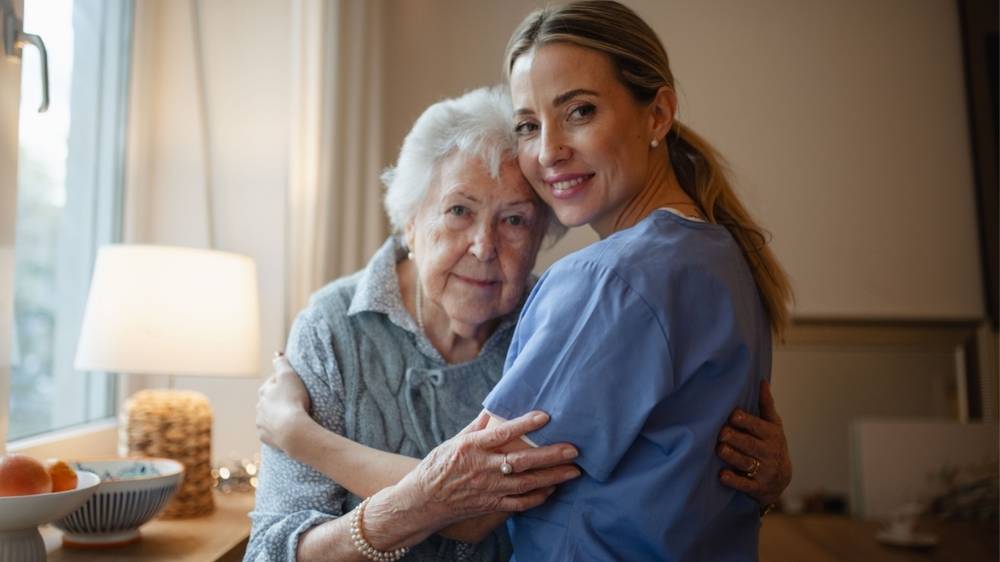
How home care supports the wider family network
Often, the primary ‘carers’ are family members who are juggling their own jobs, children, and personal lives. While they want to provide the best support possible for their parents or relatives, the physical and emotional toll can become overwhelming. Bringing in professional support isn’t about replacing the family’s role; it’s about supporting it.
By delegating the more technical or physically demanding aspects of care to professionals, family members are free to return to being daughters, sons, or spouses again. Instead of spending every visit rushing through chores or managing medication, they can spend quality time talking, sharing a cup of tea, and enjoying each other’s company. This shift in dynamic often improves the relationship for everyone involved, reducing the ‘carer burnout’ that is so common in modern society.
Finding the right fit for your needs
When you start looking for support, it can feel like a daunting task. You want to ensure that the people coming into your home are not only qualified but also compassionate and respectful. In a close-knit community like ours, reputation matters. People look for providers who understand the local area and who have a track record of treating their clients with the highest level of care.
There are several factors to consider when choosing a provider for home-based support in the area:
- The level of training and vetting that the staff undergo before entering a home.
- The ability of the provider to offer consistent carers, so the client doesn’t have to meet someone new every day.
- How well the provider communicates with family members regarding updates or changes in health.
- The flexibility to increase or decrease support hours as circumstances change.
- A genuine commitment to honouring the dignity and privacy of the individual being cared for.
Addressing the hesitation to ask for help
It is very common for people to wait until a crisis happens—such as a fall or a sudden illness—before they consider professional home support. However, many find that introducing care earlier, even in a very limited capacity, can actually prevent those crises from occurring. Having someone there to help with balance while bathing or to ensure that the house is properly heated during a cold Scottish winter can make all the difference in preventing accidents.
Accepting help is not a sign of losing independence; rather, it is a proactive step to ensure that independence lasts as long as possible. By addressing the small challenges before they become big problems, residents can continue to enjoy everything that life in Helensburgh has to offer, from walks along the promenade to attending local coffee mornings, with the confidence that they have the support they need right behind them.

Joseph covers live blues performances, emerging artists, and the vibrant atmosphere of blues festivals.