For decades, the foundation of biological research and pharmaceutical development rested almost entirely on two pillars: in vitro and in vivo studies. Scientists either observed cellular reactions in glass tubes or monitored the effects of new compounds in living organisms. However, as our understanding of genetics and molecular biology has deepened, the sheer complexity of the human body has made these traditional methods increasingly difficult to manage on their own. This is where the concept of the computer-based simulation comes into play, offering a third pillar that is rapidly transforming the scientific landscape.
An in silico model refers to any biological experiment or simulation performed via computer software. The term, derived from the Latin for “in silicon,” alludes to the silicon chips that power our modern processors. Unlike a physical experiment, these models use mathematical algorithms and vast datasets to predict how biological systems will behave under specific conditions. This approach allows researchers to test thousands of variables in a fraction of the time it would take in a physical laboratory, providing a level of speed and precision that was previously unimaginable.
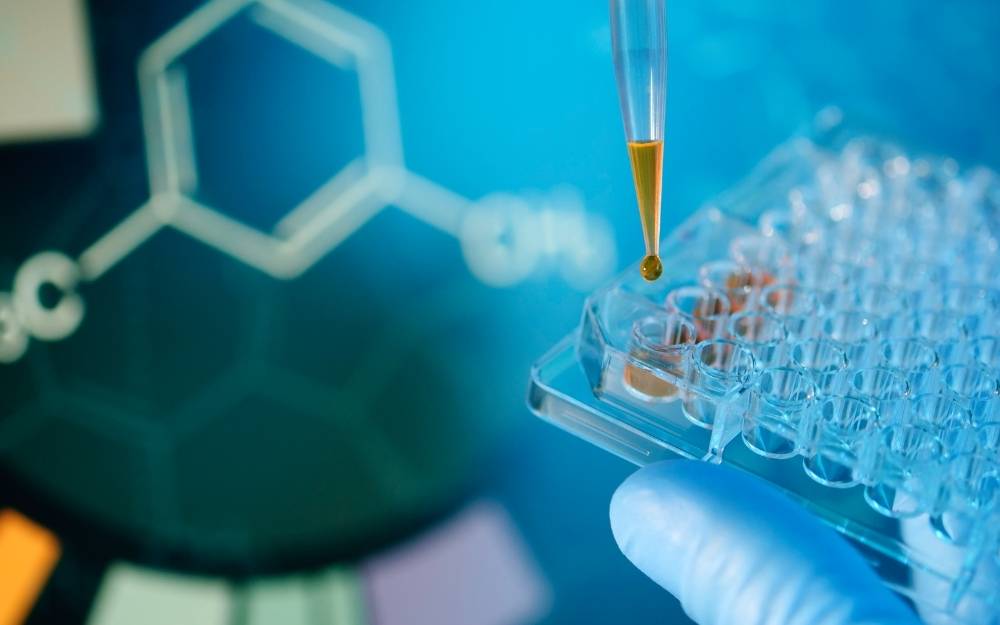
The mechanics of biological simulation
At its heart, an in silico model is a mathematical representation of a biological process. Whether it is the way a protein folds, how a drug molecule binds to a receptor, or the electrical signalling of a human heart cell, these processes can be described using complex equations. By feeding these equations into powerful computers, scientists can create a virtual environment that mimics real-world biology. This is not merely about animation; it is about high-fidelity simulation grounded in physics and chemistry.
To build a reliable model, researchers gather data from decades of previous laboratory work. This data includes information on gene sequences, metabolic pathways, and chemical interactions. When this information is organised and processed, the resulting model can simulate the behaviour of a cell or an organ with remarkable accuracy. This predictive power is what makes computational modelling so valuable, as it allows for the exploration of “what if” scenarios without the immediate need for physical resources or animal subjects.
Why researchers are prioritising digital testing
The transition toward digital simulations is driven by several critical factors, ranging from economic necessity to ethical considerations. The traditional drug development pipeline is notoriously expensive and prone to failure, often taking over a decade and billions of pounds to bring a single treatment to market. By integrating a high-fidelity in silico model into the early stages of development, researchers can identify potential cardiotoxicity or metabolic issues long before a physical compound is even synthesised.
The benefits of this approach are multifaceted:
- Reduced development costs: By filtering out unsuccessful drug candidates digitally, companies avoid the massive expenses associated with failed clinical trials.
- Accelerated timelines: Simulations can run 24/7, processing data at speeds that human researchers and physical experiments cannot match.
- Enhanced safety: Potential side effects can be predicted by simulating how a drug interacts with various ion channels or metabolic enzymes.
- Ethical advancements: Using computational models helps to significantly reduce the number of animals required for early-stage toxicity testing.
Predicting the impact on human health
One of the most exciting applications of an in silico model is in the realm of personalised medicine. Because every individual has a unique genetic makeup, a drug that works perfectly for one person might cause an adverse reaction in another. Computational models can be customised with patient-specific data, allowing doctors to predict how a particular individual will respond to a treatment. This move towards “virtual patients” is set to revolutionise how we approach chronic diseases and complex conditions like arrhythmia or cancer.
In the field of cardiology, for instance, researchers use these models to simulate the electrical activity of the heart. By adjusting the parameters of the model to match a patient’s specific physiology, they can test different dosages of a medication or different surgical approaches in a virtual environment. This ensures that when the actual treatment begins, the path chosen is the one with the highest probability of success and the lowest risk of complication.

The challenges of mapping biological complexity
Despite the incredible progress made in computational biology, creating a perfect in silico model remains a significant challenge. Biology is inherently messy and non-linear. A single cell contains thousands of overlapping pathways, and the way these pathways interact can change based on the environment, nutrition, and even stress levels. Capturing every single variable in a mathematical equation is an ongoing task that requires constant refinement.
Data quality is the most critical factor in this process. A model is only as good as the information used to build it. If the underlying data from in vitro experiments is flawed or incomplete, the digital simulation will reflect those errors. This is why the modern scientific community places such a high value on the standardisation of data and the open sharing of research findings. By pooling resources and validating models against real-world results, the accuracy of these simulations continues to improve year on year.
Integration with laboratory workflows
It is important to understand that an in silico model is not intended to replace human scientists or physical laboratories entirely. Instead, it acts as a powerful optimiser for existing workflows. The most effective research programmes today are those that create a feedback loop between the digital and physical worlds. Findings from the computer lab inform the design of the next set of physical experiments, and the results from those experiments are then used to further refine the computer model.
This hybrid approach is particularly evident in the following areas:
- Lead optimisation: Refining the chemical structure of a drug candidate to maximise its effectiveness while minimising its toxicity.
- Pharmacokinetics: Modelling how a drug is absorbed, distributed, metabolised, and excreted by the body over time.
- Virtual screening: Testing millions of chemical compounds against a target protein to find the most promising candidates for further study.
- Regulatory approval: Regulatory bodies like the FDA and EMA are increasingly accepting computational data as part of the evidence required for drug safety certification.
As computational power increases and our biological datasets become more comprehensive, the role of these models will only expand. We are moving toward a future where the first “human” trial of a new medicine might actually take place on a highly sophisticated digital twin of a human being. This shift represents a fundamental change in the way we understand life, disease, and the very process of medical discovery, making the laboratory of the future as much about silicon and software as it is about chemicals and cultures.

Joseph covers live blues performances, emerging artists, and the vibrant atmosphere of blues festivals.